
Jordan may be small in size, but its strategic location and political stability have long given it outsized importance in regional trade. Positioned at the crossroads of the Levant, the Gulf, and North Africa, Jordan serves as a natural connector; and today, it’s leveraging that geography to become a key player in facilitating multi-directional commerce.
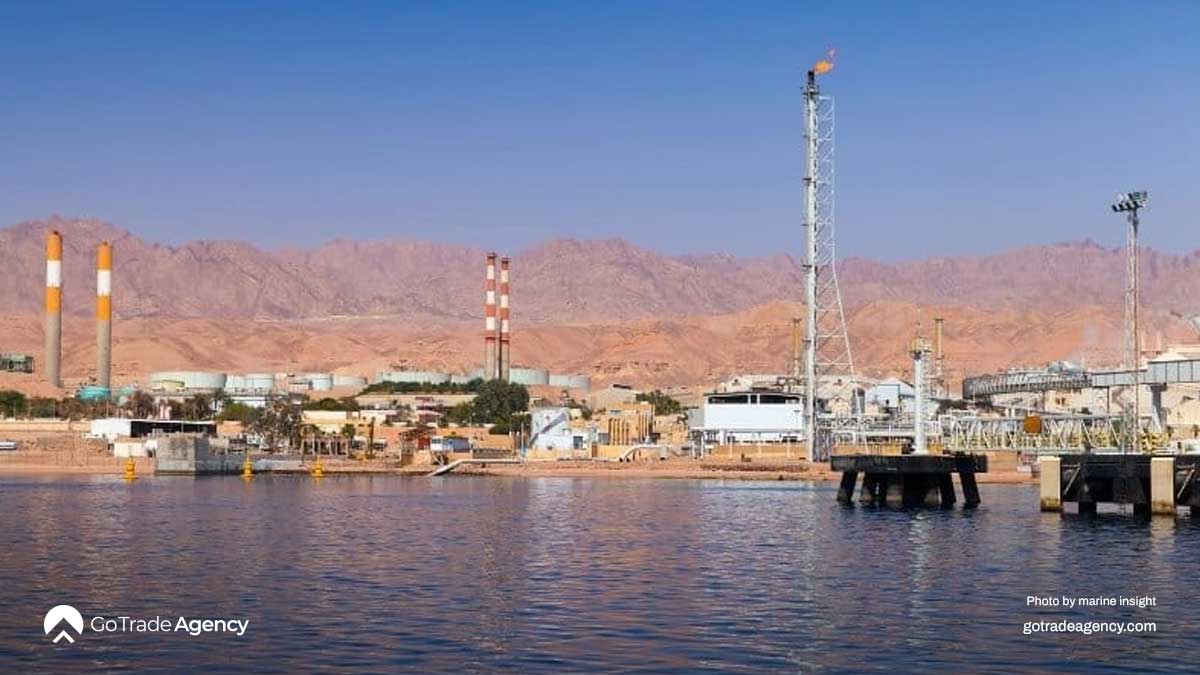
Jordan is currently investing heavily in its infrastructure, logistics, and trade reform policies, with support from international development institutions. The Aqaba Special Economic Zone, for example, has evolved into a dynamic trade and logistics platform, giving businesses streamlined access to the Red Sea and fast connections to Saudi Arabia, Iraq, and Egypt.
Moreover, Jordan’s bilateral agreements; including the Jordan-EU Association Agreement, Greater Arab Free Trade Area (GAFTA) membership, and FTAs with the U.S. and Canada; offer companies operating in the kingdom access to over 1.5 billion consumers. This has made Jordan an ideal re-export hub and assembly point for regional manufacturers and traders.
Industrially, Jordan has prioritized sectors such as pharmaceuticals, textiles, fertilizers, IT services, and agri-food processing; all of which are export-oriented and benefit from preferential trade arrangements. For example, Jordanian pharmaceuticals are now among the most respected in the Arab world, exported widely across MENA and beyond.
At Go Trade Agency, we see Jordan not only as a market in itself but as an important corridor for regional trade integration. Companies across Türkiye, the Gulf, and North Africa are increasingly looking to Jordan to establish partnerships, move goods efficiently, and enter new markets with minimized red tape.
Importantly, Jordan maintains a neutral and diplomatic foreign policy, allowing it to collaborate widely across the Arab world. Its relationships with Palestine, Iraq, and Syria; although complex; position it as a facilitator of humanitarian and post-conflict trade, particularly in the reconstruction and logistics sectors.
In a region often defined by volatility, Jordan’s resilience is a strategic asset. Its skilled, English-speaking workforce, combined with generous incentives for industrial investors and exporters, continues to attract global attention. Recent collaborations with Gulf investors, Chinese manufacturers, and European logistics firms signal the kingdom’s growing role in regional supply chains.
In essence, Jordan is not just a country of passage; it is an intelligent anchor for businesses seeking to thrive across fragmented markets, and a gateway to broader economic engagement in the Arab region.