
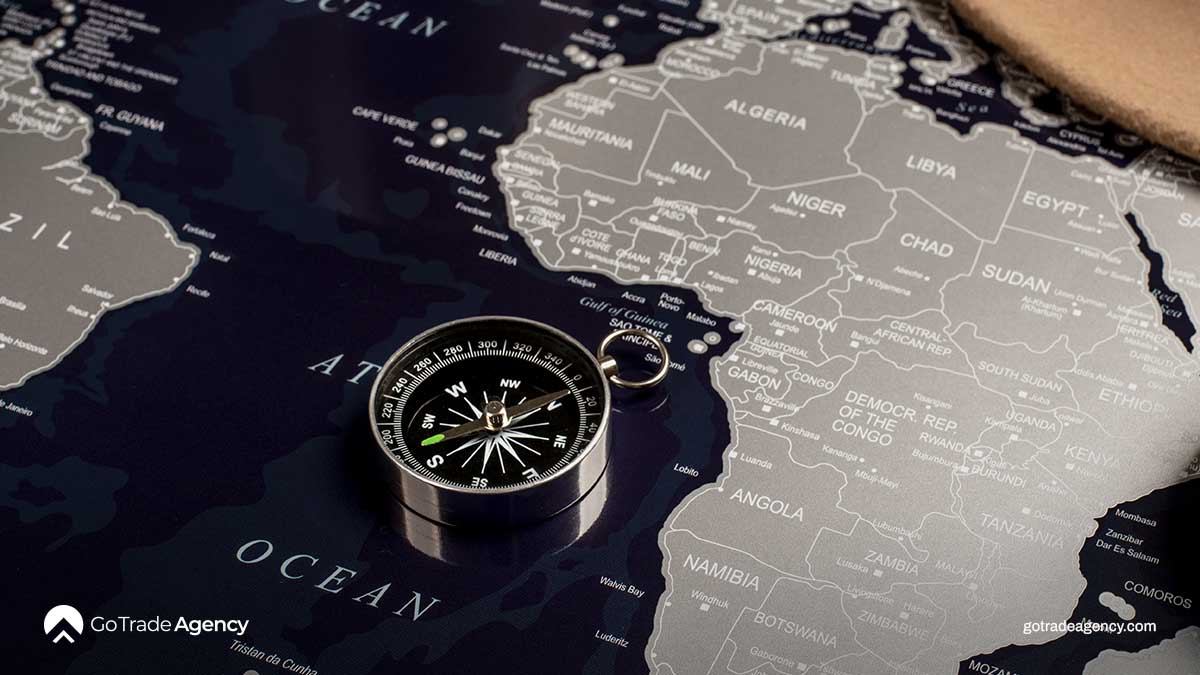
In recent years, Türkiye has rapidly deepened its commercial and diplomatic presence in North Africa, capitalizing on historical ties and a mutual desire for economic diversification. As global supply chains shift and regionalization gains momentum, countries such as Egypt, Algeria, Tunisia, Morocco, and Libya have become vital trade partners for Türkiye.
Egypt, the largest market in North Africa, represents a critical link in Türkiye’s Africa strategy. Despite past political tensions, trade between the two nations continues to grow steadily, reaching over $10 billion annually. Turkish companies are active in Egypt’s textile sector, food manufacturing, and construction. Conversely, Türkiye imports fertilizers, chemicals, and agricultural produce from Egypt, making the relationship mutually beneficial and increasingly resilient.
In Algeria, Türkiye has established itself as a key partner in energy and infrastructure. Algeria is a leading supplier of liquefied natural gas to Türkiye, and Turkish firms are involved in major construction projects including housing developments and ports. A proposed free trade agreement and strategic energy dialogue between the two countries signal a broader shift towards long-term economic integration.
Morocco and Tunisia are also strategic destinations for Turkish exports, particularly in the fields of furniture, textiles, electronics, and household goods. With FTA agreements in place, Türkiye benefits from preferential access to these markets, while helping these countries modernize their industrial base. Turkish retailers and manufacturers have opened branches across Moroccan and Tunisian cities, strengthening direct-to-consumer trade links.
Libya, though still challenged by instability, remains a crucial market due to its reconstruction needs. Türkiye has emerged as one of the leading players in Libya’s post-war rebuilding phase, with contracts in infrastructure, power generation, and logistics. The historical presence of Turkish companies in Libya gives them a natural advantage in navigating the complex local environment.
Culturally, Türkiye enjoys a unique affinity with North African nations, sharing Ottoman-era connections, religious ties, and linguistic bridges that smoothen business relations. Turkish TV dramas and products dominate screens and shelves in many North African homes, creating a sense of familiarity and trust.
Geographically, Türkiye’s proximity to North Africa—especially via the Mediterranean—allows for rapid delivery times, reduced costs, and strategic access to European and Sub-Saharan markets. Turkish ports like Mersin and Izmir are gateways for goods headed to North Africa, while North African ports are increasingly integrated into Türkiye’s logistics corridor plans.
Importantly, North Africa is a launchpad for Türkiye’s broader Africa strategy, allowing it to extend its trade influence deeper into the continent. Initiatives such as the Turkish-African Business Council and rising diplomatic engagement reflect this expansive vision.
In the shifting sands of global commerce, Türkiye and North Africa are demonstrating that regional solidarity, shared history, and economic ambition can give rise to powerful trade alliances.